
Automakers are at a crossroads. Electric Vehicles (EVs) are becoming less of a fringe movement and more of a mainstream mode of transportation. Advancements in battery technology, charging infrastructure, vehicle intelligence and ride performance, and other cutting-edge software are making electric mobility solutions more viable for consumers and enterprises. Concurrently, automakers and national governments are pouring billions into cleaner transportation options.
No single solution will determine the future of electric mobility. Moving forward, the evolution of electric vehicles will be driven by a mix of battery and software innovations. A need for improved fast charging, the adoption of connected mobility, and customer demand.
Each of these trends is shaping not only how vehicles are designed, built, and used, but also how the rest of the mobility ecosystem is evolving.
Electric Vehicle Market Growth and the Shift Towards Electric Mobility
Expert Market Research’s recent report entitled ‘Global Electric Vehicle Market Size. Share and Analysis, forecast 2026-2035′ indicates that global electric vehicle market volume was 35,161.28 thousand units in 2025. And is expected to grow at a CAGR of roughly 13.20% between 2026 and 2035 to reach 121,486.76 thousand units by 2035.
With better availability of battery electric vehicles (BEVs) and availability of more models at all price ranges, electric vehicles are catching on in a much bigger way.
The rise in fuel prices, the current focus on ecological issues, and an improved technology used in EVs are further helping in the adoption of EVs among consumers.
To cope with this increase, automakers are now offering a broader spectrum of electric models. This include passenger cars, commercial vehicles, buses, and two-wheelers. This trend is likely to continue with increasing production and EV infrastructure.
Advanced Battery Technology Will Improve EV Performance
The future of electric vehicles will depend on how battery technology develops, and this will probably play a significant role. Increasing energy density reduces range, and increased charging speed, weight, durability and manufacturing costs are key to the ownership experience. As a result, automakers and battery-makers are investing in technologies that can enhance all of these.
Solid-state batteries are one battery technology that is being thoroughly studied and developed. Solid-state batteries are similar to traditional lithium-ion batteries in that they have cathodes and anodes.
But they use a solid electrolyte that can potentially give the battery a higher energy density while making it safer. Commercialization has so far proven difficult, but it’s an area with promise for future EVs.
Battery management systems may also become smarter. Smart battery management systems are monitoring the state of charge and temperature to optimize overall battery condition and longevity.
Innovations that could save the range There may also be other innovations that can address concerns about vehicle ownership.
Faster Charging Infrastructure Will Support Wider Adoption
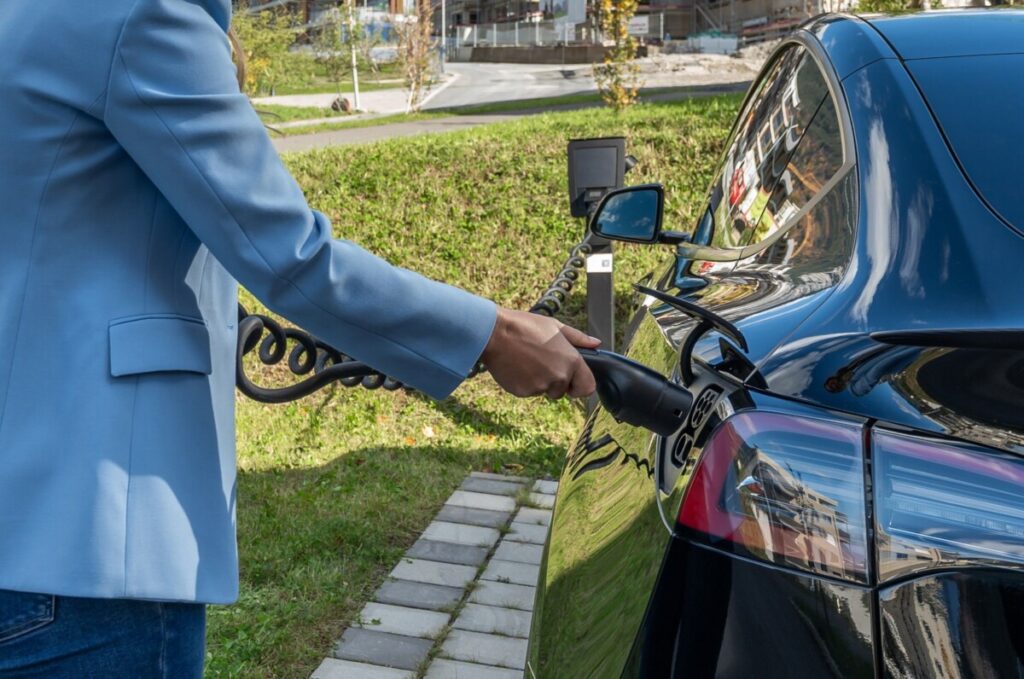
Charging infrastructure is a significant factor for customers who are considering an electric vehicle. Although most owners will be able to install a charging point at home. A comprehensive charging infrastructure is needed to support long-distance travel and commercial vehicles. The development of fast-charging stations will, therefore, be a key driver for electric mobility.
Faster fill-up times New fast-charging systems are shrinking the time it takes to top off an EV’s battery. DC fast chargers can offer as much as 150 miles (241km) of driving range in as little as 30 minutes. Making EVs a more practical choice for highway driving and commercial fleets. Electric stations are becoming more connected, with the ability to find, start, and pay for charging on a smartphone.
Construction of charging infrastructure may not merely entail adding stations. Smart charging systems could adjust the load they request based on the state of the grid. And charging networks could target more of their new stations towards renewable energy and energy storage.
Artificial Intelligence Will Make EVs Smarter
AI will play an increasingly large part in EVs of the future. The electric cars of today are already dependent on software to manage their batteries and optimise driving efficiency; provide navigation, driver aid and diagnostics. As computers get more powerful, so too will these features.
AI can also understand driving behavior, traffic density, battery level and the nature of the road, and use this data to guide drivers on how to use the vehicle more efficiently. For instance, smart navigation systems show the best route considering traffic flow and charging stations.
There’s also AI driver assistance. Intelligent systems that analyze images from cameras and data from various vehicle components can enable lane monitoring, parking, and even avoiding collisions.
As electric powertrains are more widely adopted and integrated with intelligent software, they will likely give rise to vehicles that predict driving needs and learn as they go.
Software-Defined Vehicles Will Change the Ownership Experience
The automotive industry is shifting towards software-defined vehicles where software becomes key to defining the vehicle, and EVs are no exception. By its nature, EVs are highly programmable as electric powertrains can integrate tightly with the digital control systems.
Software updates can enhance performance, add features and help fix some problems – without having to go to a workshop. Manufacturers may also be able to keep an eye on your car’s condition via connected technology to spot service needs.
This has the potential to alter the vendor-user dynamic. Perhaps, rather than vehicles having minimal modifications post purchase, EVs will be constantly enhanced over the period of their lifespan. Information technology, driver assistance, charging systems and entertainment could be constantly improved via software updates.
Vehicle-to-Grid Technology Connect EVs With the Energy System
Beyond just charging, your EV’s batteries could also connect to the larger electricity system, depending on the car. The technology – vehicle-to-grid (V2G) – would let an enabled EV push some of its juice back to the grid.
Connected vehicles could also ease electricity networks as the number of electric vehicles rises. Cars could be recharged with excess power during times of low demand, and could potentially also supply power back to the grid during times of high demand.
It could have significant applications in combination with renewable power generation. As a source of distributed storage, EVs can help manage solar and wind power intermittency. The widespread adoption of V2G is still uncertain because it would require appropriate vehicles and charging stations in addition to rules and incentives to entice automobile owners.
Battery Recycling Will Become More Important
As the size of the EV industry expands, so too will the numbers of batteries entering their second, and extended, lives – as part of this new industry and infrastructure will have to include effective recycling and reuse systems.
Second-life batteries Even when they are no longer fit for use in a vehicle, used batteries may still have enough capacity for one of their major applications: stationary storage. Second-life use is one possibility before the batteries are eventually recycled.
Enhanced recycling capabilities are feasible for lithium, nickel, cobalt and other parts. An enhanced battery recycling system could lower waste and bolster material supply chains while moving us toward a more circular way of making EVs.
Electric Commercial Vehicles Will Expand Beyond Passenger Cars
The scope of this shift to electric mobility extends beyond the private passenger car market. Electric buses, delivery vans and trucks are also being increasingly recognized by manufacturers and fleet owners.
Urban delivery trucks and buses are potentially prime candidates for electrification, as their routes may be relatively predictable and may end at specific hubs where the charging infrastructure can be installed. Reduced servicing and maintenance requirements can also make electric powertrains appealing to high-usage fleets.
Transport in the heavier-duty segments is inherently more challenging due to battery weight and charge requirements, as well as long-distance operating models. However, advances in battery technology, charging infrastructure and alternative electric powertrain approaches could enable higher levels of electrification for commercial transport.
Connected and Personalized Mobility Will Shape Future Driving
Connected vehicles and charging Electric vehicles of the future will be more and more connected to smart phones, smart home devices, charging networks and other digital services. You might check on the state of your battery charge from your phone, pre-conditioning your cabin from your office or a gas station to see if your car needs charging.
Connect cars will also give manufacturers access to valuable operations data so they can enhance their software and vehicle performance.
On the consumer side, it may translate into more personalised digital interfaces that adapt to the individual driver’s needs by directing navigation, charging suggestions and cabin settings.
In the process, they could turn the car from a standalone device into an integrated platform for mobility.
The Road Ahead for Electric Vehicles
EVs of the future will be shape by technological advances as well as the development of infrastructure, consumer demand, regulation and investment from within the automotive and energy industries.
Enhanced batteries, rapid charging, innovative and efficient software, artificial intelligence, vehicle to grid and sustainable recycling systems are all shaping EVs of the future.
As these technologies continue to evolve, cars are due to become more efficient, more integrated, more convenient, and more capable. We won’t see a consistent shift across each market or vehicle type, but we are heading in that direction, and the automotive industry is trending toward more and more electric.
So, the next 10 years should see dramatic changes in how we drive, how we power our vehicles, and how they integrate with our world.